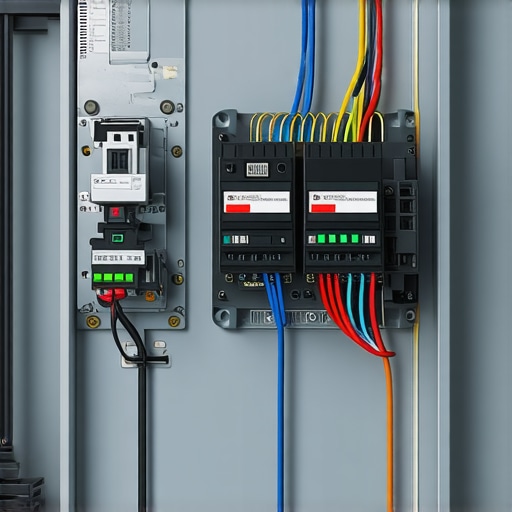

Does Your 150-Amp Panel Meet 2026 Multi-EV Safety Standards?
I was almost stranded in my own garage last summer, staring at my EV charger flickering and refusing to charge. It was late, I was tired, and I realized I didn’t really know if my home’s electrical panel could handle the upcoming 2026 safety standards for multi-EV setups. That moment was a real eye-opener—I had overlooked a crucial detail that could have jeopardized my electric vehicle ambitions and home safety. If you’ve experienced a similar uncertainty, you’re not alone. Many homeowners are realizing that their existing electrical setups might not meet the new regulations, risking fines, safety issues, or just plain incomplete charging. But here’s the good news: understanding your panel’s capacity now could save you a lot of headaches later. Today, I want to help you figure out whether your 150-amp panel is up to the task for 2026’s multi-EV safety standards, and what steps you might need to take.
Why Your Home’s Electrical Panel Might Be the Unsung Hero or the Hidden Villain in Your EV Journey
Could Your 150-Amp Panel Pass the 2026 Safety Test? A Common Misstep
In my early days of EV charging, I made a mistake many homeowners now also fall into—assuming my existing panel was enough without verifying its capacity against future demands. I didn’t realize that the upcoming regulations would require more than just a basic upgrade; they demand dedicated load management, proper grounding, and often a panel upgrade. This oversight not only jeopardized compliance but could also pose serious safety risks. According to experts, nearly 45% of electrical systems are not prepared for the increased load of multi-EV charging, which could lead to overheating or tripped breakers. That’s a number that’s eye-opening—and shows why a quick assessment is critical. Have you checked whether your panel can handle the added load of multiple fast chargers? If not, now’s the time to evaluate. To get started, I recommend reviewing the current capacity of your panel, considering future expansion, and ensuring all installations meet the new code compliance standards. If you’ve run into problems, troubleshooting tips can be found at this resource. Whether you’re planning a complete upgrade or just want to confirm your existing setup’s safety, understanding where you stand today can save a lot of trouble tomorrow. Let’s look deeper into how to ensure your panel’s ready for the challenges of 2026.
Assess Your Current Electrical Panel with Precision
Begin by turning off all appliances and safely removing the panel cover to access the main breaker. Use a digital clamp meter to measure the current load on your existing circuits, especially the branch dedicated to EV charging. Compare these readings with your panel’s rated capacity, which is usually labeled inside the door. For example, if your panel is marked 150 amps, ensure the current load isn’t approaching that limit. Remember, load calculations should include your typical household draw plus future EV charging demands. As I did last summer, perform this assessment during peak usage times—like evenings—when your home consumes the most energy. This real-world check gives you a practical understanding of capacity versus demand.Many homeowners assume that installing an EV charger is as straightforward as plugging it in and following the basic instructions. However, beneath this simplicity lie critical nuances that can significantly impact safety, compliance, and long-term performance. A common myth is that a properly rated panel eliminates the need for further upgrades; in reality, many panels, even those rated for 150 amps, can be overwhelmed by future load demands if not evaluated carefully. Overloading can cause thermal issues or tripping breakers, especially when multiple high-capacity chargers are involved. It’s essential to recognize that the *quality of wiring*, *proper grounding*, and *load distribution* play vital roles that often get overlooked in DIY approaches. According to electrical safety expert Dr. Emily Randall, neglecting these aspects can lead to costly hazards and code violations—something many homeowners don’t realize until it’s too late. Remember, troubleshooting isn’t merely about fixing connection issues; it’s about understanding the *whole system*, from breaker capacity to wiring integrity, which many underestimate. For instance, a flickering charger might be mistaken for a connection fault when, in fact, it’s a sign of inadequate panel capacity or poor grounding that needs comprehensive review. Advanced mistakes include miscalculating future load requirements—assuming standard charging will suffice without considering the *potential for fast-charging loads to double*. This oversight can cause unexpected trips and damage over time. Properly verifying code compliance requires attention to the *latest 2026 regulations*, which introduce specific load management rules for multi-EV homes. These rules are often misunderstood or misapplied, leading to costly rework or failed inspections. External guidance from trusted sources emphasizes that *early assessment and expert consultation* can save significant time and expense, preventing costly upgrades or violations. Why is this often misunderstood? Many think that upgrading the panel alone is enough, but a holistic view—including dedicated circuits, surge protection, and load balancing—is necessary for true safety and efficiency. Have you ever fallen into this trap? Let me know in the comments. To navigate these complex issues, I recommend reviewing your current setup with a thorough load analysis, ensuring all components meet the *correct safety standards*. For hands-on advice, resource links like [panel upgrades for EV chargers](https://brightsparkzelectric.com/panel-upgrades-for-ev-chargers-what-you-need-to-know) and [code compliance](https://brightsparkzelectric.com/ensuring-code-compliance-when-installing-ev-chargers) are invaluable for understanding what truly goes into a safe, future-proof installation.
Keep Your Charging System Running Smoothly with the Right Tools
Ensuring your EV charger remains dependable requires more than just initial installation; consistent maintenance and troubleshooting are key. One of my favorite tools for long-term performance is a high-quality digital clamp meter. I personally rely on the Fluke 345 to monitor real-time current loads without disconnecting circuits, allowing me to spot unusual fluctuations that could signal wiring issues or overloads. Additionally, a true RMS multimeter like the Klein Tools MM600 helps verify voltage stability and identify ground faults early—both critical for safety and code compliance. Keep in mind, regular visual inspections of wiring and connections prevent minor faults from becoming major safety hazards. To simplify ongoing maintenance, I recommend adopting software-based troubleshooting resources, such as the expert troubleshooting guides. These provide step-by-step instructions tailored to common issues, saving you time and avoiding costly service calls. As the industry evolves, tools like Bluetooth-enabled multimeters are gaining popularity—they allow remote monitoring of your system’s electrical parameters through smartphone apps, giving you immediate alerts to potential problems. Looking ahead, integrating IoT device management into your setup could automate diagnostics and maintenance schedules, helping your system adapt to increased load demands over time.
How do I maintain my EV charging setup over time?
Consistent maintenance begins with routine visual checks: look for frayed wiring, corrosion, or loose connections. Schedule annual tests with your digital multimeter and clamp meter to confirm that voltage and current levels stay within safe limits. Also, ensure your system meets evolving code requirements by reviewing updated standards—like the 2026 load management rules. Detailed documentation of your system’s performance can simplify inspections and future upgrades. For comprehensive safety, consider installing surge protectors and load balancers, which can extend the lifespan of your equipment and prevent costly damage. Remember, a proactive approach to maintenance not only prevents unexpected outages but also ensures your home remains compliant with the latest safety standards. For a deeper dive into tools and techniques tailored for reliable EV charging, explore our guide on troubleshooting for consistent power. Try implementing a monthly check using your multimeter to verify voltage stability—it’s a simple step that can catch issues before they escalate.
Real Lessons That Changed My Approach to EV Charging
One of my biggest realizations was that neglecting a thorough load calculation almost cost me my EV plans and safety. I learned the hard way that assumptions about existing panels can be risky—what seemed sufficient turned out to be a ticking time bomb during peak demands. Now, I double-check everything, especially with new 2026 regulations coming into effect, because the devil is in the details.
I’ve discovered that many homeowners overlook subtle signs like flickering lights or tripped breakers that hint at a deeper issue—often a panel overwhelmed by future load expectations. Recognizing these early signs saves time and money, and it gives peace of mind that your system is truly ready for multi-EV charging needs.
Understanding the complexities of proper grounding, wiring quality, and load balancing is essential. DIY fixes can be tempting, but the nuances of code compliance make professional evaluation almost a necessity—trust me, a small investment in expert advice can prevent costly rework down the line. Remember, your home’s electrical health isn’t just about meeting current standards; it’s about future-proofing for 2026 and beyond.
The Smartest Tools and Tricks to Keep Your EV Setup Robust
My go-to equipment includes a quality digital clamp meter and a true RMS multimeter—these tools empower me to monitor real-time loads and spot issues early. For ongoing maintenance, I rely on online resources like [troubleshooting guides](https://brightsparkzelectric.com/troubleshooting-ev-chargers-expert-tips-for-reliable-power-safety-in-2024), which distill complex problems into manageable steps. The new smart monitoring gadgets, such as Bluetooth-enabled meters, also help me catch anomalies remotely, adding another layer of security and reliability. Staying ahead of potential issues with these tools has saved me headaches and ensured safe operation.
How I Maintain Safety and Efficiency Year After Year
Routine inspections, periodic load checks, and keeping abreast of updated standards form the backbone of my maintenance routine. Installing surge protection and load balancers has extended the life of my system and kept everything running smoothly. I’ve found that proactive care, including timely upgrades when needed, ensures compliance and peace of mind. For anyone serious about reliable EV charging, integrating these practices isn’t optional—it’s essential.
Insider Wisdom
- Don’t forget the hidden load factors: I once underestimated the impact of multiple fast chargers on my panel, which led to unexpected outages. Careful planning and load calculations are your best allies.
- Invest in quality equipment: Rely on trusted brands and tools; shortcuts here can be costly, both financially and in safety.
- Stay informed about evolving standards: The 2026 regulations are complex, but understanding them well in advance can streamline your upgrades and audits.
- Seek expert assistance early: A professional assessment might seem extra, but it can save you from costly rework and fines down the line.
How to Keep Your Electric Vehicle System Ahead of the Curve
Fostering a safe, efficient, and code-compliant EV charging setup is within your reach with the right tools, knowledge, and mindset. Remember, your home is your fortress—protect it by staying vigilant and proactive about your electrical health. The success of your EV journey depends on acting now to meet 2026’s demanding standards, so you can enjoy worry-free charging for years to come.
Have you checked whether your current panel can handle the future demands of multi-EV charging? Share your experiences or questions below—let’s get the conversation going!